Mental Clarity
Regular pauses allow your mind to process information, consolidate learning, and approach challenges with renewed perspective.
We use essential technologies to ensure our website functions properly. By continuing to browse, you accept our data practices.
Discover how intentional rest periods aligned with your natural rhythms can support sustained focus, creativity, and energy throughout your working day.
Regular pauses allow your mind to process information, consolidate learning, and approach challenges with renewed perspective.
Strategic rest intervals prevent burnout and maintain consistent performance throughout your entire workday.
Stepping away from tasks activates diffuse thinking modes that generate innovative solutions and fresh ideas.
Movement breaks reduce strain, improve circulation, and support long-term health for sustainable productivity.
Your brain operates in natural cycles, with focused attention typically lasting approximately 90 minutes before cognitive resources begin depleting. These ultradian rhythms mirror the sleep cycles discovered decades ago, and they govern every hour of your waking life.
When you work past these natural limits, your prefrontal cortex starts consuming glucose faster than your bloodstream can replenish it. Mental fatigue represents your brain running low on fuel. Strategic breaks allow these resources to restore, supporting sustained performance across multiple work sessions.
Many professionals find that working smarter rather than longer, by respecting these biological rhythms, helps them accomplish their goals whilst feeling more energised. By scheduling demanding analytical work during natural peak periods and taking intentional breaks when energy dips, you can work in harmony with your body's natural patterns.
Discover Break Techniques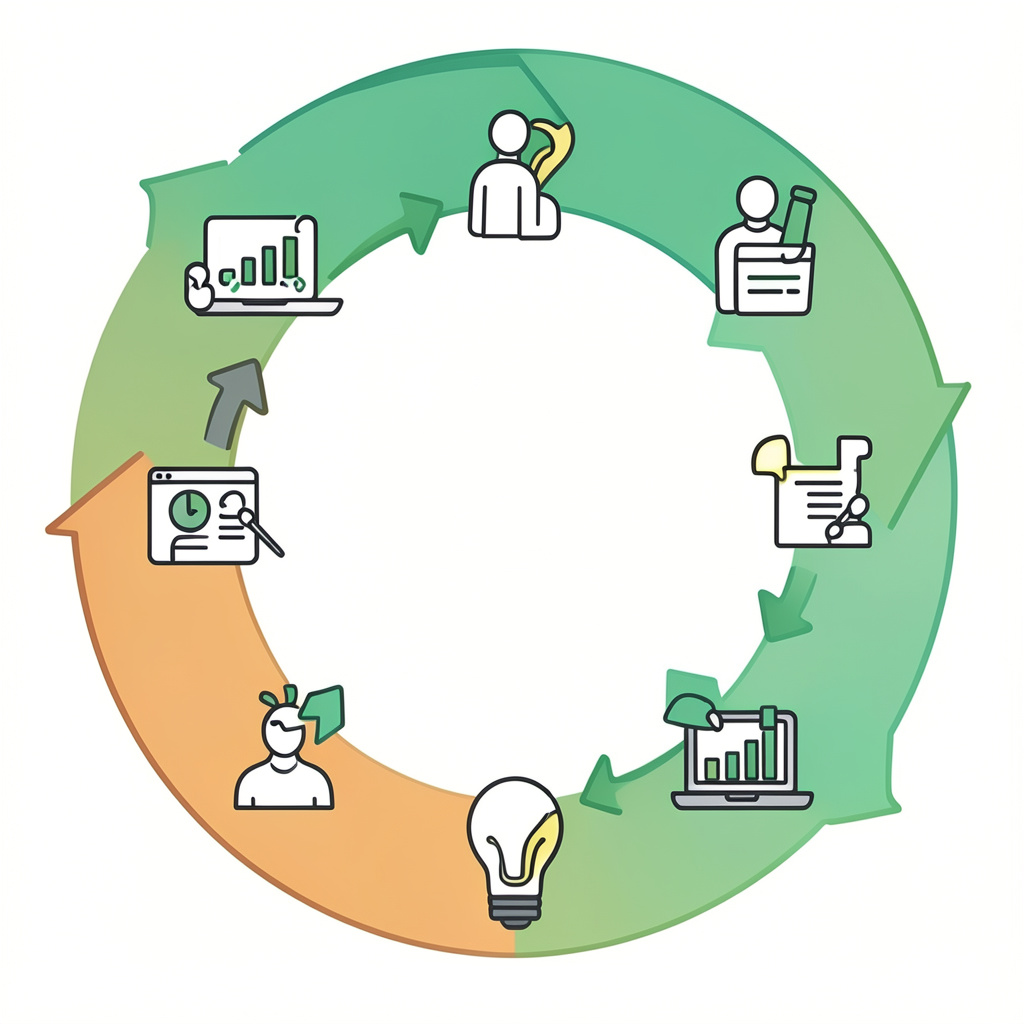
Different break types serve distinct purposes in your cognitive recovery system. Understanding these four categories can help you build a comprehensive rest strategy that supports sustained focus throughout your day.
Brief pauses of 2-5 minutes every 25-30 minutes. Look away from your screen, stretch your neck, or simply close your eyes. These tiny interruptions can help prevent the attention fatigue that accumulates during extended work sessions.
After 90 minutes of focused work, consider standing up and moving. Walk to another room, climb stairs, or step outside. Ten minutes of movement can help refresh your mental state.
Taking 30-60 minutes away from your workspace for meals. Eating mindfully, preferably away from screens, creates mental separation that supports deeper restoration.
Even five minutes outdoors can be beneficial. Natural environments may support attention recovery. Trees, sky, and fresh air offer a pleasant change from indoor work environments.
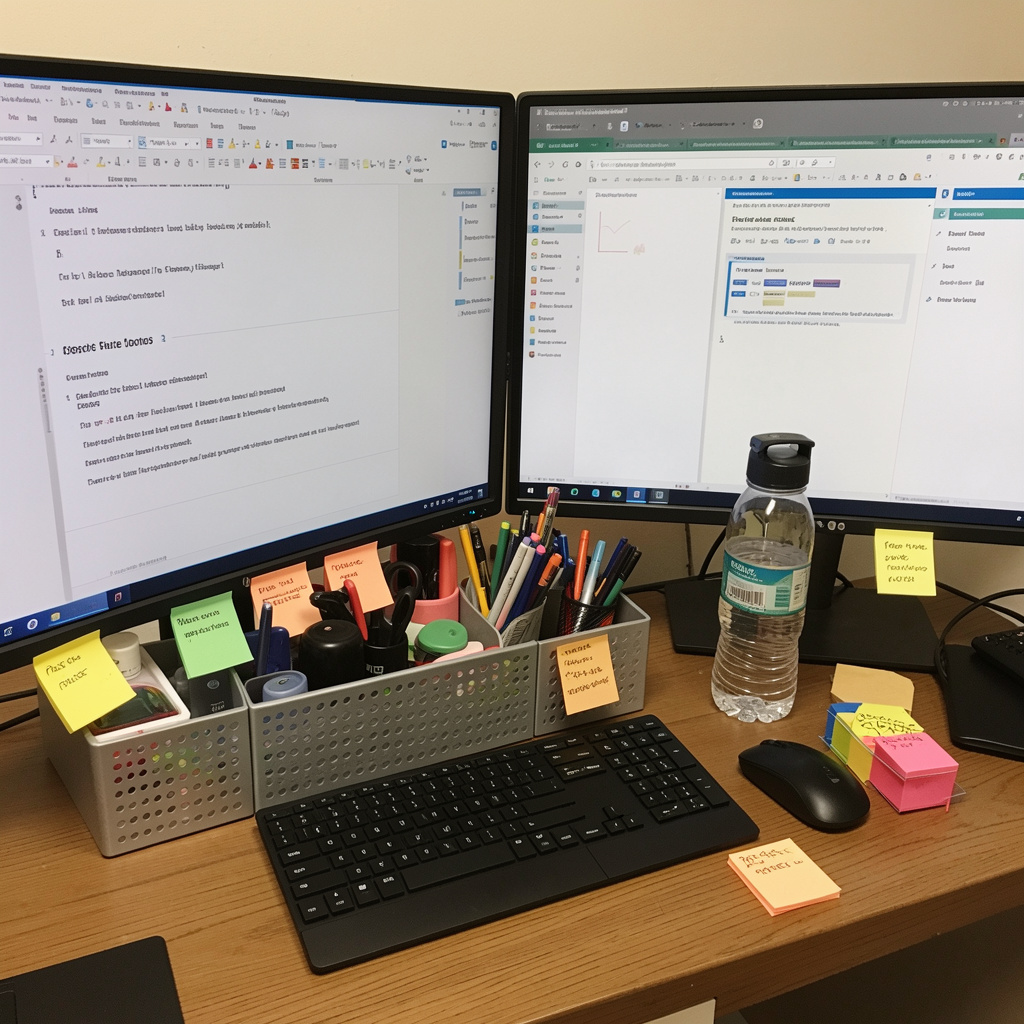
Your workspace either supports or sabotages your break habits. The most disciplined person will struggle with breaks in a poorly designed environment, while the right setup makes rest feel natural and effortless. Small environmental changes create massive behavioural shifts.

Whilst you're taking a break, your brain continues working in different ways. During focused work, your neurones fire intensely, consuming glucose and producing adenosine. This adenosine accumulation contributes to feelings of mental fatigue after hours of concentration.
When you step away from work, your glymphatic system becomes more active, helping to clear metabolic byproducts. Additionally, your default mode network engages—a collection of brain regions that activate during rest. This network helps consolidate memories and process information. Many people report that insights often arrive during breaks rather than whilst actively working on problems.
Understanding this process can help you appreciate breaks as valuable time rather than lost productivity. Strategic rest represents a different type of mental activity happening at the neurological level.
Learn how strategic breaks can support your productivity and well-being. Reach out to discover approaches tailored to your work style.
Connect With UsThe information provided on this website is for general informational purposes only. While we strive to present research-based insights about productivity and workplace wellness, this content should not be considered professional medical, psychological, or occupational health advice. Individual results may vary, and what works for one person may not work for another. If you have specific health concerns or conditions, please consult with qualified healthcare professionals before making significant changes to your work routine or break patterns. We make no guarantees about specific outcomes from implementing the strategies discussed on this site.